

Seasonal Furnace Maintenance & Safety Checks
.png)
Seasonal Furnace Care & Safety Checks: Your Practical Guide to Tune‑Ups and Safe Heating
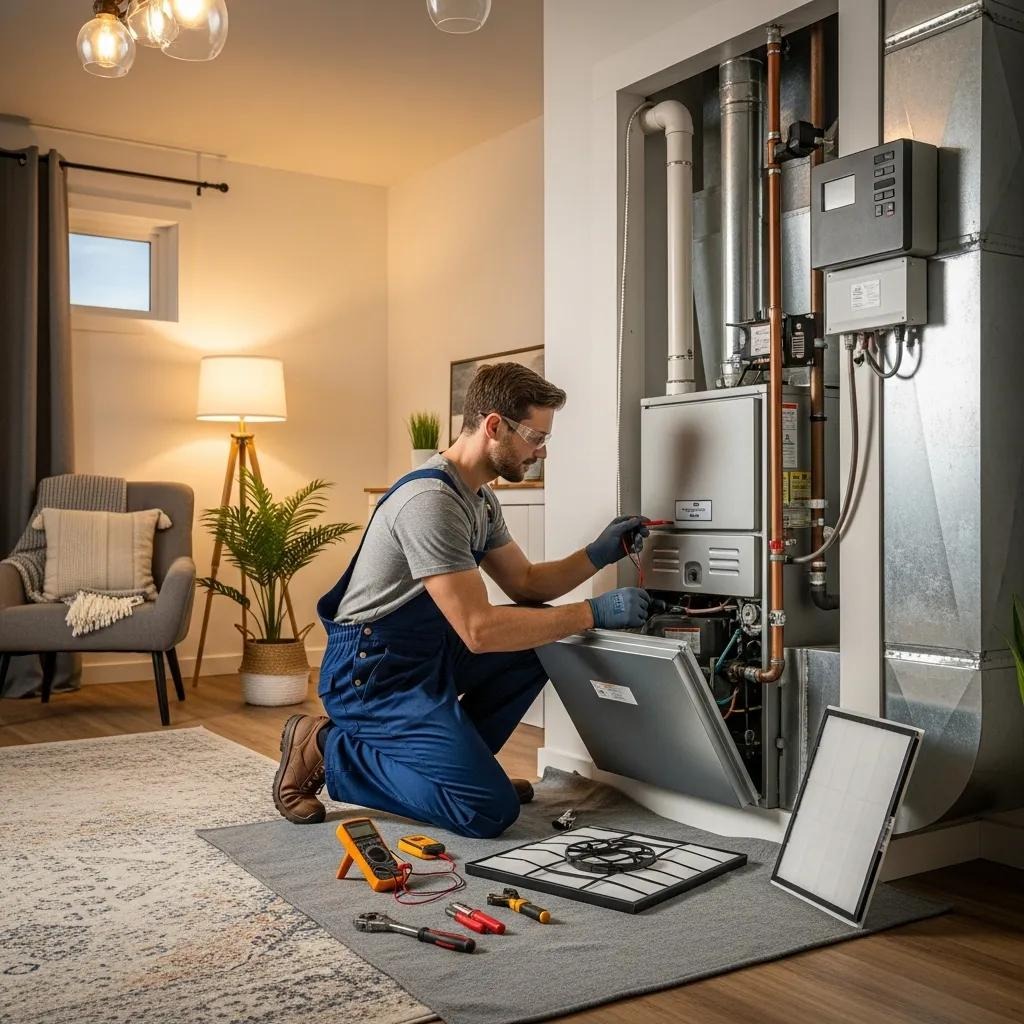
Routine seasonal furnace maintenance keeps your heating system running safely and efficiently. In this guide we explain why regular tune‑ups matter, what to include on a preventative checklist, and how safety inspections stop problems before they start. Skipping maintenance can mean unexpected breakdowns, higher bills, and safety risks — but a little prevention goes a long way. Below you'll find practical tips, typical costs and financing options, and how smart technology can make your furnace safer and easier to manage.
Why seasonal furnace maintenance matters for homeowners
Seasonal maintenance keeps your furnace reliable, safer, and less costly to run. Routine inspections catch small issues before they become expensive repairs or safety hazards. A seasonal tune‑up can improve energy efficiency, lower utility bills, and extend the life of your equipment. Importantly, regular checks also reduce the risk of carbon monoxide leaks and other dangerous failures.
How a regular furnace tune‑up improves energy efficiency
A thorough tune‑up restores system performance and helps your furnace use less energy. Technicians clean and inspect key parts — like the heat exchanger and blower motor — and make adjustments so the system runs smoothly. Better performance usually means lower utility bills. In fact, well‑maintained furnaces can run up to 12% more efficiently than neglected units, which adds up over time.
What safety risks come from skipping furnace maintenance?
Neglecting furnace care increases the chance of serious hazards, including carbon monoxide exposure and fires. Problems like cracks, leaks, or failing electrical components can allow harmful gases into your home or create overheating risks. Regular maintenance helps ensure every part is functioning safely and as intended.
What a preventative furnace maintenance checklist should cover
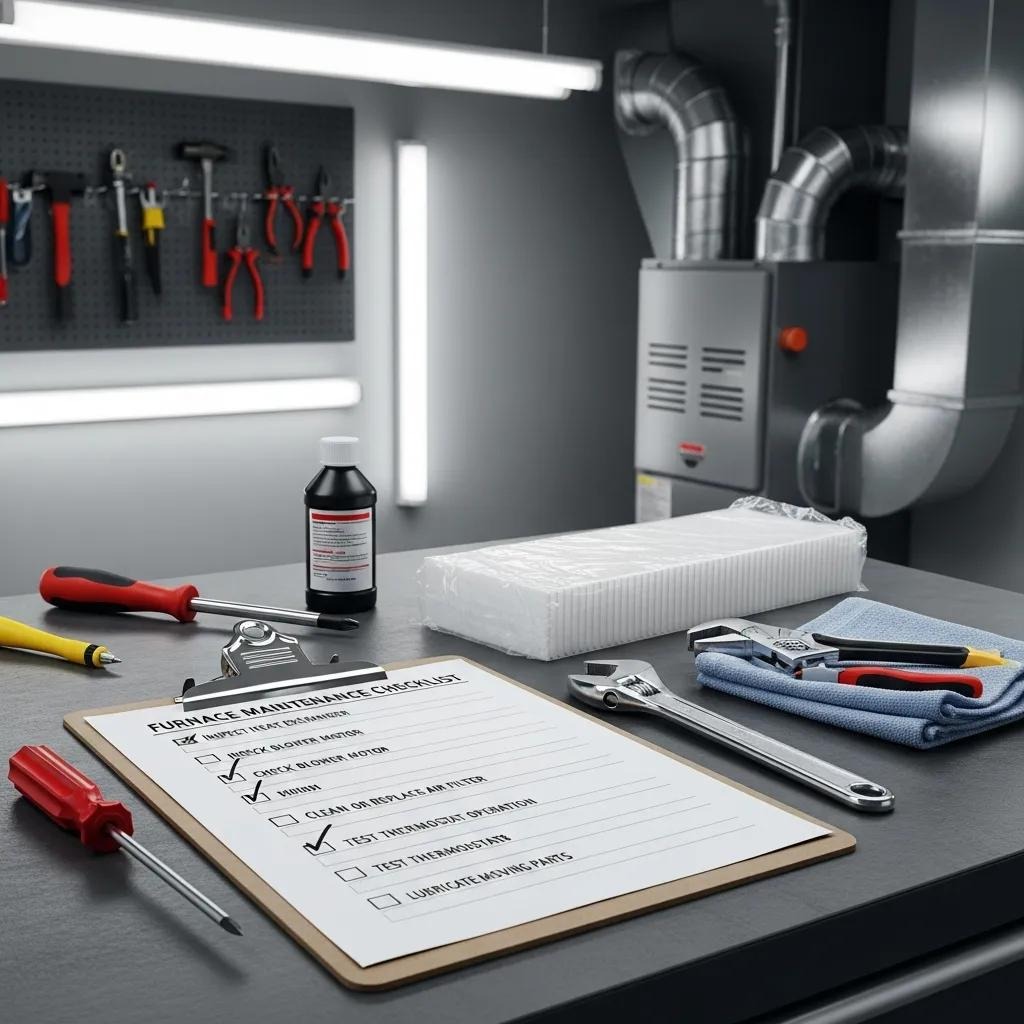
A good preventative checklist keeps both homeowners and technicians focused on the critical items that protect safety and performance. Below are the common areas we inspect during a seasonal service.
Which furnace components need inspection and cleaning?
- Heat Exchanger: Check for cracks or corrosion that could allow gas or combustion byproducts to escape.
- Air Filter: Replace or clean filters to preserve airflow and system efficiency.
- Blower Motor: Inspect for wear, clean debris, and lubricate bearings to prevent overheating and failure.
Regular attention to these parts helps your furnace run safer and last longer.
Which tasks can you do yourself, and when should you call a pro?
Homeowners can handle basic jobs like replacing filters and keeping vents clear — see our DIY tips for simple maintenance. But leave complex inspections (heat exchanger, gas lines, safety controls) to trained technicians. If you notice unusual noises, smells, or performance issues, it's time to call our team rather than risk a DIY fix.
How heating system safety checks prevent hazards
Safety checks are designed to find conditions that could harm your home or family and to verify the system meets current safety standards. These inspections combine visual checks, functional tests, and diagnostic measurements to reduce risk.
What are the common signs of carbon monoxide or gas leaks?
- Yellow or orange flames: Healthy combustion should produce a blue flame; yellow/orange can indicate incomplete combustion.
- Soot buildup: Soot around the furnace or venting can signal poor combustion or venting problems.
- Unexplained headaches or dizziness: These symptoms can be early warning signs of carbon monoxide exposure.
Spotting these signs early and getting a professional check can prevent serious health and safety problems.
How carbon monoxide detectors and safety controls protect your home
Carbon monoxide detectors and built‑in safety controls are essential backups that warn you if something goes wrong. Detectors monitor air quality and alarm long before levels become dangerous. Regular testing and battery replacement ensure these devices work when you need them most, giving you peace of mind for your family.
Costs and financing options for seasonal furnace maintenance
Knowing typical costs helps you budget for preventive service. In Tacoma, a standard furnace tune‑up and safety inspection usually runs between $80 and $150, depending on the furnace type and how much work is needed.
How much does a furnace tune‑up and safety inspection typically cost in Tacoma?
Expect to pay roughly $80 to $150 for a comprehensive tune‑up and safety inspection in the Tacoma area. Price varies with the furnace model, the condition of the system, and the scope of the service. Regular maintenance is an investment that often prevents larger repair bills down the road.
What financing plans does South Sound Ductless offer for furnace services?
South Sound Ductless provides a range of financing options to make maintenance and repairs more affordable. Flexible payment plans and low‑interest choices can help you spread costs so you can keep your system safe and efficient without strain.
How smart technology is improving furnace maintenance and safety
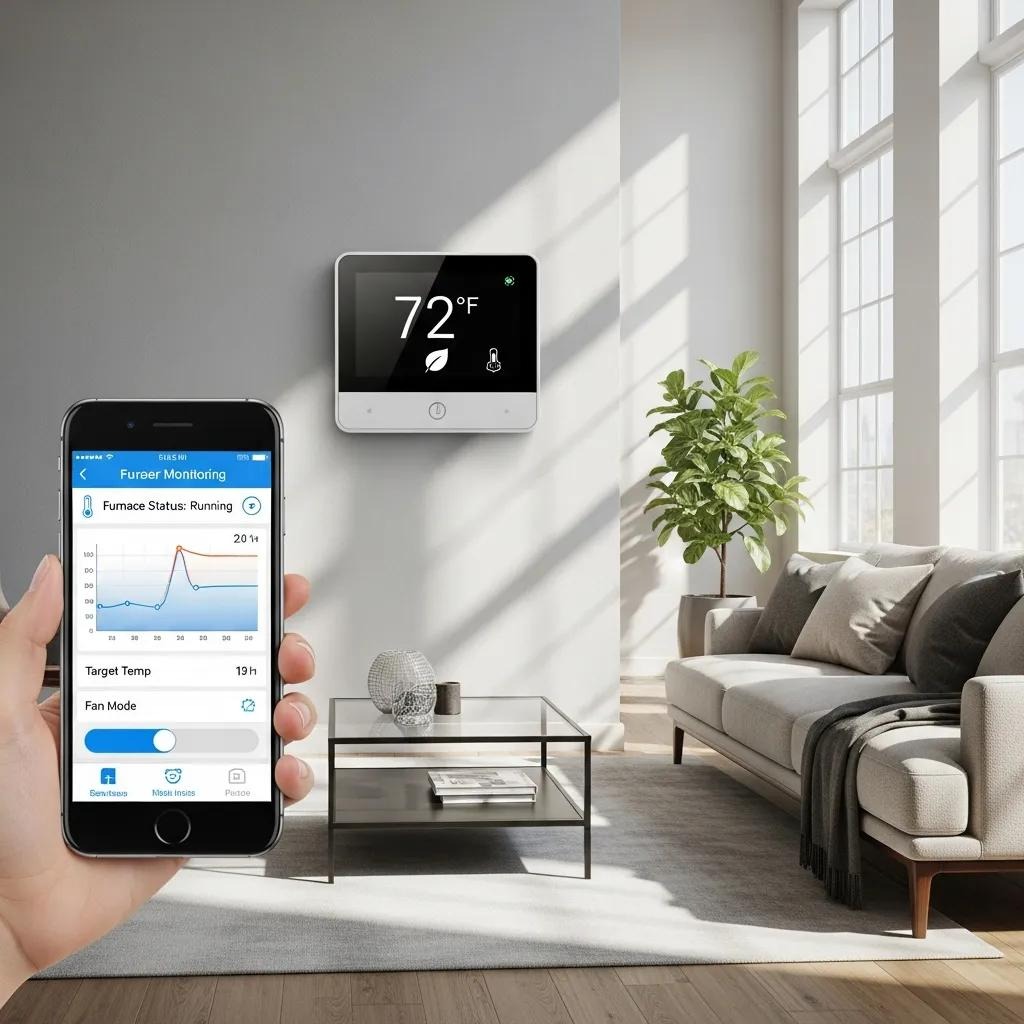
Smart tech is changing how homeowners manage heating systems. From remote control to early fault detection, connected devices make it easier to maintain comfort while catching problems early.
What are the benefits of smart thermostats and predictive maintenance?
- Remote monitoring: Adjust settings and check performance from your phone.
- Energy savings: Smart schedules and learning algorithms reduce wasted heating and lower bills.
- Predictive maintenance alerts: Notifications can warn you about potential issues before they cause a breakdown.
These features add convenience, help reduce costs, and improve system reliability.
How can homeowners add smart features to existing furnaces?
Many modern smart thermostats and sensors are compatible with older furnaces, so you can add remote control and diagnostics without replacing the entire system. Check compatibility and installation requirements, or ask a technician for help integrating smart devices safely.
How to prepare your furnace for seasonal changes
Taking a few proactive steps before cold weather hits helps your furnace perform well all season. Below are the most important preparations.
What should you do to get ready for fall and winter?
- Schedule a professional tune‑up: Have the system inspected and serviced before heavy use begins.
- Replace air filters: Clean or replace filters to maintain airflow and efficiency.
- Inspect ductwork: Look for leaks or blockages that reduce performance.
These simple actions reduce the chance of mid‑season problems and keep your home comfortable.
How does proper maintenance extend furnace life and cut repair costs?
Routine inspections and small repairs keep components from wearing out prematurely. Addressing minor issues early prevents them from turning into major failures. Homeowners who stick to a maintenance schedule typically see longer equipment life and fewer expensive emergency repairs.
This guide focuses on furnace care, but year‑round comfort often means maintaining other systems too. For cooling season needs, check our professional air conditioning services.
In short, seasonal furnace maintenance and safety checks protect your home, improve comfort, and reduce costs. Follow the checklist, know the warning signs, and use professional help when needed to keep your heating system running safely.
Conclusion
Seasonal furnace maintenance and safety checks are one of the simplest ways to protect your family and your budget. Regular tune‑ups prevent breakdowns, improve efficiency, and reduce safety risks. If you're ready to schedule service or learn more about keeping your system in top shape, explore our professional maintenance options — we’re here to help keep your home safe and comfortable.
"The DIY ductless installation was straightforward and saved us a lot of money! I highly recommend South Sound Ductless for their excellent support and quality products."


"Our new ductless system has transformed our home’s comfort level. The team at South Sound Ductless was professional and knowledgeable throughout the process!"
Get Your Comfort Today!
Contact us for expert HVAC solutions and consultations.
Stay Updated with Our Newsletter
Subscribe for expert HVAC tips, the latest updates, and exclusive promotions delivered right to your inbox.

FAQs
Here are some common questions about our HVAC services and ductless systems.
Ductless heating uses a system of indoor and outdoor units to provide efficient heating. These systems are ideal for homes without existing ductwork. They offer flexibility and can be controlled room by room.
Our DIY ductless program simplifies installation with pre-charged kits. You can easily mount the indoor unit, connect refrigerant lines, and set up the outdoor condenser. It's designed for quick and efficient setup.
Ductless systems provide energy efficiency, reducing utility bills while maintaining comfort. They improve indoor air quality and allow for customizable temperature control. Additionally, they take up less space than traditional systems.
Yes, we offer financing through Enhancify to make your HVAC investments more manageable. This allows you to enjoy comfort without the immediate financial burden. Explore our options to find a plan that suits you.
Regular maintenance is key to keeping your ductless system running efficiently. Schedule annual tune-ups and clean the filters regularly. This ensures optimal performance and prolongs the life of your system.
Still have questions?
We're here to help!