

Spot the Signs: When Your Tacoma Heating System Needs Repair
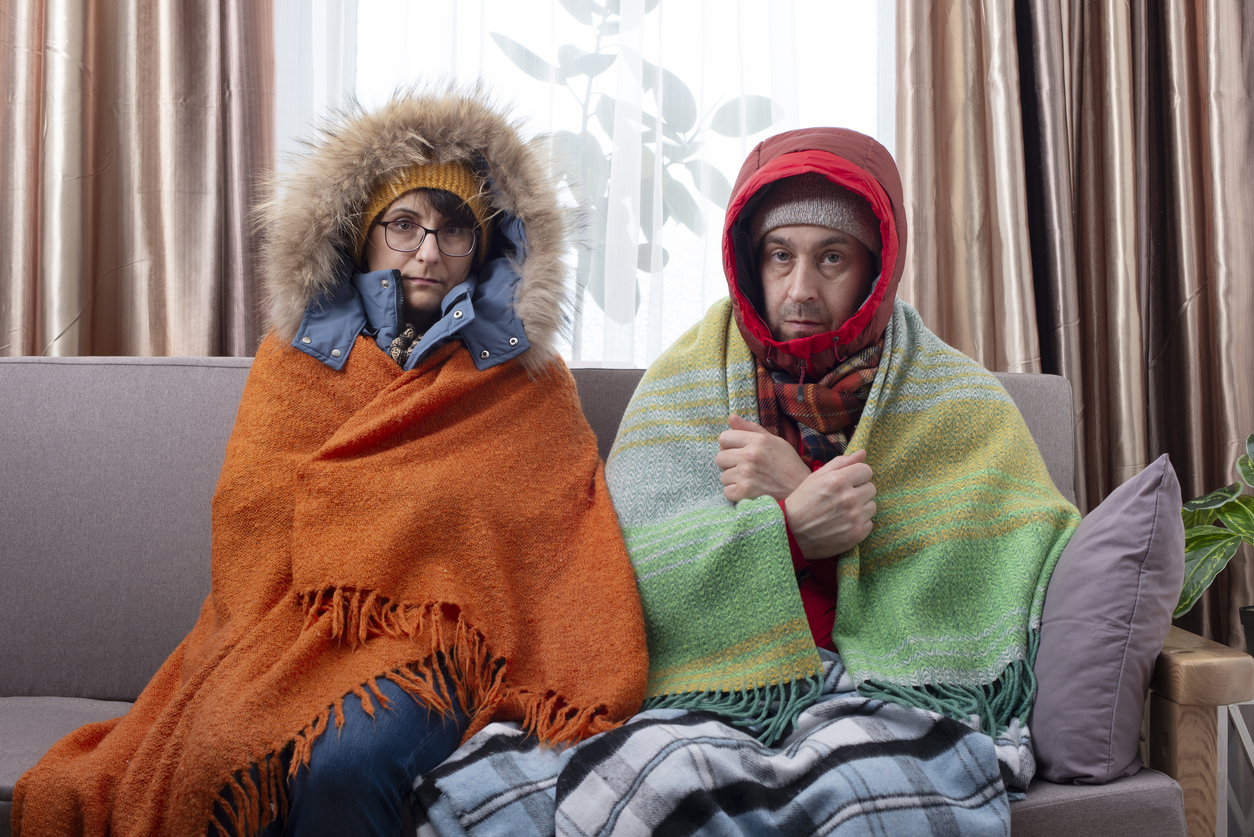
Is Your Tacoma Heating System Failing? Signs to Watch — And When to Act
Early detection of heating problems in Tacoma prevents discomfort, unexpected repair bills, and safety risks. This guide covers common failure signs for furnaces, heat pumps, and ductless mini-splits, including no heat, weak airflow, strange smells, odd noises, leaks, or rising energy use. Learn to identify causes, perform safe initial checks, and recognize critical safety flags. For professional help, contact South Sound Ductless for diagnostics, repairs, replacements, and financing. Read on to troubleshoot effectively and know when to call a pro.
Common Signs Your Tacoma Heating System Needs Repair
Heating systems signal problems when components like the blower, heat exchanger, or filters fail. Early recognition helps Tacoma homeowners prevent larger, more expensive issues. Common signals include:
- No heat or reduced heat: System isn’t producing or moving warm air effectively.
- Weak airflow: Often caused by dirty filters, blower problems, or duct issues.
- Unusual smells: Burning, musty, or gas odors can signal electrical faults, mold, or combustion problems.
- Strange noises: Banging, rattling, or squealing frequently indicate mechanical or ignition issues.
- Rapid cycling: Short run times lower efficiency and suggest control, sizing, or airflow problems.
- Visible moisture or leaks: Could be condensate, refrigerant, or plumbing trouble.
These checks help prioritize actions; the next section details homeowner checks for no heat and weak airflow.
Recognizing No Heat or Weak Airflow
No heat or weak airflow often stems from inspectable issues. Safely check the thermostat (mode, temperature, schedule, batteries), inspect/replace dirty air filters, and ensure vents are clear. If warm air isn't restored, the problem may involve a worn blower motor, damaged ducts, or ignition/control issues requiring professional service.
What Do Strange Smells and Unusual Noises Indicate?
Smells and sounds are key diagnostic clues. Burning or electrical smells indicate overheating or electrical shorts. Musty odors suggest mold or moisture in ducts. Loud bangs or clanks signal delayed ignition or debris; squealing or grinding points to worn blower belts or bad motor bearings. Any gas-like or persistent burning odor is a safety concern—ventilate, leave if unsafe, and contact emergency services or a qualified technician immediately.
Failure Mode Analysis for HVAC Systems
A technical study that develops failure mode and effect analysis (FMEA) for HVAC systems, examining how outdoor temperature affects heating load and predicting failures at the system or component level.
Toward failure mode and effect analysis for heating, ventilation and air-conditioning, C Yang, 2017
Interpreting these warnings helps you decide if it’s safe to run the system or if professional diagnostics are needed.
Use this reference for safe action and repair prioritization; next, we cover heat pump–specific signs.
Signs of a Failing Heat Pump in Tacoma
Heat pumps move heat via refrigerant and a compressor; failures often manifest as refrigerant, compressor, or defrost/control problems. A failing heat pump may produce little warm air, show ice on the outdoor unit (outside normal defrost cycles), operate louder, or cause a jump in energy use. Simple checks, like a safe reset or observing the outdoor unit, can indicate if professional diagnosis is needed.
Common quick checks and signs for a heat pump issue:
- Outdoor unit iced: Outside normal defrost cycles, this could mean low refrigerant or defrost control trouble.
- No warm air: May point to airflow, reversing valve, or refrigerant problems.
- Unusual vibration or loud noise: From the outdoor compressor, suggests mechanical wear or electrical faults.
- Noticeable spike in energy bills: Often a sign of lost efficiency or failing components.
What Causes Your Heat Pump to Stop Heating Properly?
Heat pumps lose heating ability due to low refrigerant (often a leak), compressor faults, reversing valve failures, or electrical/control issues. Low refrigerant reduces heat transfer and can cause outdoor unit icing. Compressor problems hinder circulation. Faulty defrost cycles or reversing valves prevent proper mode switching. These issues generally require professional diagnosis and repair.
When to Call for Heat Pump Repair or Replacement?
Repair vs. replacement depends on the unit’s age, breakdown frequency, repair cost vs. unit value, and efficiency loss. Heat pumps older than 10–15 years, those needing frequent compressor/refrigerant work, or systems with significant efficiency drops may be better replaced. Newer units with isolated component failures are usually worth repairing. For a clear recommendation, schedule a professional evaluation to compare repair estimates and replacement benefits.
Why Are Your Heating Bills Skyrocketing? Detecting Efficiency Problems
Higher heating bills typically indicate reduced system efficiency, caused by restricted airflow, aging equipment, thermostat missettings, or heat loss through the home’s envelope. Diagnosing efficiency involves checking HVAC equipment and the home: filters, vents, thermostat behavior, duct sealing, and insulation. Common culprits are clogged filters, leaky ducts, failing blowers, and old or undersized systems.
Homeowner checks to detect efficiency problems:
- Inspect and replace filters regularly: Restores airflow and shortens run times.
- Check ducts and registers for leaks: Leaked air wastes heat into attics or crawlspaces.
- Review thermostat programming and placement: Ensure the sensor isn’t in a drafty or sunny spot.
- Check insulation and window seals: Reduce drafts and heat loss.
- Monitor runtime and cycle frequency: Signs of short cycling or capacity mismatch.
What Does Uneven Heating or Cold Spots Reveal?
Uneven heat or cold spots often point to duct issues, zoning problems, insulation gaps, or localized equipment faults. Feel registers and returns: little airflow suggests duct imbalance, closed dampers, or blocked vents. If airflow is fine, inspect insulation, window seals, and thermal bridges. Fixing zoning or rebalancing ducts often resolves persistent cold spots.
How Does Frequent Cycling Affect Performance?
Frequent on/off cycling (short cycling) occurs when a system starts and stops repeatedly, commonly caused by an oversized unit, thermostat issues, or airflow restrictions. Short cycling reduces efficiency and stresses components, shortening equipment life. Fixes include correcting system sizing, restoring airflow (clean filters, open vents), and calibrating or relocating the thermostat.
Advanced Warning Signs of Heating System Failure
Advanced warning signs indicate serious mechanical or safety problems affecting indoor air quality or occupant safety. Watch for a yellow or flickering pilot light (combustion issue), moisture or continuous leaking near the unit (possible heat exchanger or refrigerant problem), persistent combustion-like smells (potential carbon monoxide), and steady performance decline despite routine checks. If you see these flags, ventilate, turn off the system if advised, and schedule an urgent professional inspection to avoid dangerous outcomes.
Why Is a Yellow or Flickering Pilot Light a Cause for Concern?
A healthy gas flame is steady and blue. A yellow or flickering flame signifies incomplete combustion, soot buildup, or ventilation trouble, potentially producing carbon monoxide. Incomplete combustion lowers efficiency and creates dangerous byproducts. If you see a yellow or dancing flame, ventilate, avoid running the system, and call a qualified technician immediately to test combustion and venting. Carbon monoxide is odorless and life-threatening; do not attempt major repairs yourself.
Heating Element Failures: Modes and Effects
A review of failure modes in resistive heating elements and related risks, including how electrical faults and arcing can lead to equipment failure and safety incidents.
Loss investigations involving heating element failures: fire, water, and personal injury, 2017
What Does Moisture or Leaking Around Your Heating Unit Mean?
Water around a heating unit might be simple condensate from a clogged drain or a sign of a bigger problem like a cracked heat exchanger, refrigerant leak, or blocked condensate line. Persistent water, staining, or corrosion suggests component failure or refrigerant issues requiring immediate attention. Moisture also encourages mold and speeds corrosion. If leaks are found, isolate the area, avoid running the unit if electrical hazards exist, and call a technician to trace the source and recommend repair or replacement.
When to Contact South Sound Ductless for Heating Repair
Contact South Sound Ductless immediately for safety issues (gas odor, yellow pilot light, carbon monoxide alarm), if symptoms persist after basic homeowner checks, or when systems are old and repeatedly breaking down. We serve Tacoma and the South Puget Sound region with energy-efficient heating and cooling solutions, specializing in ductless mini-splits and traditional system repairs. Our diagnostic visits identify root causes and recommend repair, replacement, or ductless upgrades. If you have no heat, weak airflow, loud or unusual noises, visible leaks, or rising bills after checking the basics, schedule an evaluation to prevent further damage and restore safe, efficient operation.
How South Sound Ductless Diagnoses and Repairs Heating Systems
We follow a step-by-step diagnostic process: visual inspection, thermostat/control verification, and airflow measurements to locate issues. Technicians test electrical components, blower operation, furnace ignition systems, and refrigerant pressures for heat pumps or ductless units. We then present clear findings with recommendations for repair, replacement, or a ductless upgrade. Repairs may include replacing components, sealing ducts, balancing airflow, or performing controlled defrost and refrigerant work—always focused on restoring safety, efficiency, and indoor air quality. Homeowners receive a prioritized plan balancing safety, cost, and long-term performance.
Financing and Promotions for Tacoma Heating Repairs
To make repairs and upgrades more affordable, South Sound Ductless partners with a financing program allowing homeowners to spread project costs over time, alongside seasonal promotions to lower upfront expense. Financing options (for qualified applicants) cover repairs, replacements, and ductless mini-split installations, preventing delayed essential service. Seasonal promotions may include veteran discounts. When scheduling a diagnostic or estimate, ask about current financing terms and promotions to understand eligibility and application during the consultation.
Common Problems with Tacoma Furnace Systems and How to Fix Them
Furnaces commonly fail due to blower motor wear, ignition/pilot problems, clogged filters, and heat exchanger corrosion. Faults often begin with changes in sound, smell, or output; early diagnosis and preventive maintenance reduce emergency failures. This section lists typical furnace problems, safe DIY checks, and clear signs requiring professional help. Regular maintenance, timely filter changes, and annual inspections keep furnaces running efficiently and reduce sudden breakdowns.
What Do Banging or Rattling Noises from Your Furnace Mean?
Banging, rattling, or popping sounds usually point to mechanical or combustion irregularities: delayed ignition, expanding ducts, loose panels, or debris. Delayed ignition produces a hazardous loud bang at startup, requiring system shutdown until inspected. Rattling may come from loose access panels or internal parts. However, persistent metal expansion noises or impacts require technician checks for mounting and combustion safety. If loud noises accompany reduced output or burning smells, power down the unit and request professional service.
How Can Regular Maintenance Prevent Furnace Failures?
Routine maintenance prevents many furnace failures by ensuring steady airflow, clean combustion, and early detection of worn parts. Homeowners should change filters regularly, keep vents clear, and book annual professional tune-ups, which include combustion checks, heat exchanger inspection, electrical testing, and lubrication. Routine maintenance reduces emergency repairs, preserves efficiency, saves money, and improves indoor air quality. A planned maintenance routine with professional inspections catches small problems early, keeping Tacoma homes safe and comfortable.
Frequently Asked Questions
What should I do if my heating system is making strange noises?
If your heating system makes banging, rattling, or squealing sounds, turn it off to prevent further damage. Check for loose panels or debris. If noise persists or is accompanied by reduced heat or strange smells, call a qualified technician for heating service inspection and repairs.
How can I improve the efficiency of my heating system?
Improve efficiency by regularly replacing or cleaning air filters, sealing/inspecting ductwork, and checking thermostat settings. Upgrade to a programmable or smart thermostat for optimized schedules. Also, seal windows/doors and add insulation to reduce heat loss and lower energy bills.
What are the risks of ignoring advanced warning signs of heating system failure?
Ignoring advanced signs like a yellow pilot light, moisture near the unit, or persistent strange odors can lead to serious hazards such as carbon monoxide exposure or fire. These symptoms often reflect underlying mechanical or combustion failures that can worsen quickly and become costly. Address them promptly to protect your home and family.
How often should I schedule professional maintenance for my heating system?
Schedule professional maintenance at least once a year, ideally before the heating season. Annual tune-ups include inspection, cleaning, and adjustments to maintain high performance/efficiency, reduce unexpected breakdowns, and extend equipment life.
What are the benefits of upgrading to a ductless heating system?
Ductless systems offer higher efficiency, precise zone control, and better indoor air quality. They heat specific rooms as needed without duct losses, reducing energy waste. Many ductless units also include advanced filtration for cleaner air and improved comfort.
How can I tell if my heat pump is functioning properly?
Observe performance in both heating and cooling modes: stable temperature output, low noise, and no unusual ice buildup during defrost cycles indicate proper function. Significant jumps in energy bills, weak airflow, or temperature swings suggest inefficiency or malfunction and warrant a checkup.
What should I do if my heating system is not responding to the thermostat?
First, check thermostat settings and batteries, ensuring it's set to heat and higher than the current room temperature. Check the circuit breaker for power. If the system still doesn’t respond, the thermostat or heating system may need professional diagnosis and repair.
Conclusion
Knowing the signs of a failing heating system helps keep your Tacoma home comfortable and safe. Understanding symptoms like no heat, strange noises, or rising bills enables timely action to prevent bigger problems. For expert diagnostics and solutions tailored to your home, contact South Sound Ductless to keep your house warm, efficient, and safe this winter.
"The DIY ductless installation was straightforward and saved us a lot of money! I highly recommend South Sound Ductless for their excellent support and quality products."


"Our new ductless system has transformed our home’s comfort level. The team at South Sound Ductless was professional and knowledgeable throughout the process!"
Get Your Comfort Today!
Contact us for expert HVAC solutions and consultations.
Stay Updated with Our Newsletter
Subscribe for expert HVAC tips, the latest updates, and exclusive promotions delivered right to your inbox.

FAQs
Here are some common questions about our HVAC services and ductless systems.
Ductless heating uses a system of indoor and outdoor units to provide efficient heating. These systems are ideal for homes without existing ductwork. They offer flexibility and can be controlled room by room.
Our DIY ductless program simplifies installation with pre-charged kits. You can easily mount the indoor unit, connect refrigerant lines, and set up the outdoor condenser. It's designed for quick and efficient setup.
Ductless systems provide energy efficiency, reducing utility bills while maintaining comfort. They improve indoor air quality and allow for customizable temperature control. Additionally, they take up less space than traditional systems.
Yes, we offer financing through Enhancify to make your HVAC investments more manageable. This allows you to enjoy comfort without the immediate financial burden. Explore our options to find a plan that suits you.
Regular maintenance is key to keeping your ductless system running efficiently. Schedule annual tune-ups and clean the filters regularly. This ensures optimal performance and prolongs the life of your system.
Still have questions?
We're here to help!