

Top Warning Signs Your Heating System in Tacoma Needs Immediate Repair
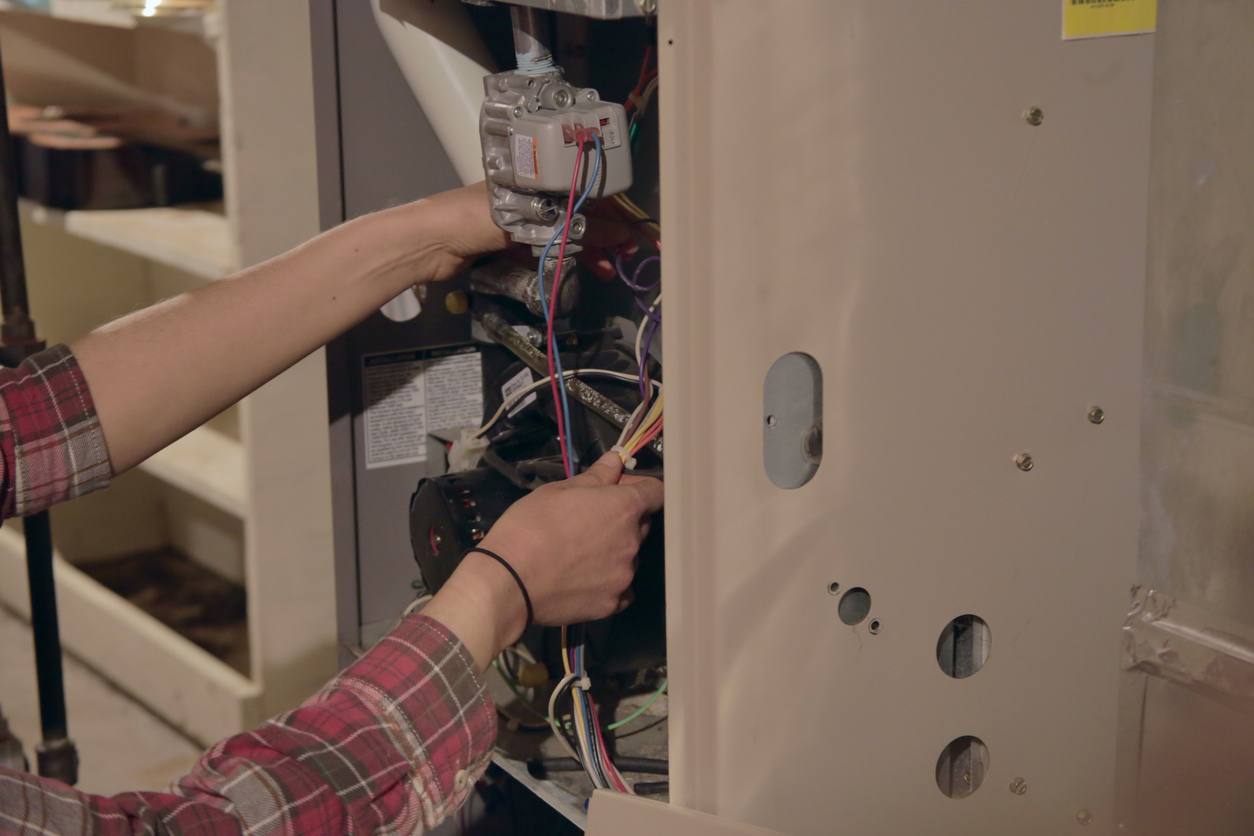
Top Warning Signs Your Heating System in Tacoma Needs Immediate Repair

A warning sign is any symptom that shows your home heating system isn’t running like it should. In Tacoma’s damp, mild winters, spotting these issues early can prevent safety problems, expensive breakdowns, and surprise energy bills. South Sound Ductless is a local Tacoma-area resource that helps homeowners spot urgent heating faults and decide when it’s time to call a pro. Below we cover the seven most important warning signs—strange noises, rising energy costs, uneven heating, cold air output, frequent on/off cycling, water leaks, and odd smells—and explain how each symptom commonly points to problems like blower or motor wear, thermostat faults, low refrigerant, or a damaged heat exchanger. You’ll get safe, simple checks you can do at home, learn which issues need immediate attention, and see how failure modes differ between ductless mini-splits and conventional systems. The sections that follow walk through noise checks, energy-efficiency tips, cold-spot troubleshooting, cold-air causes, short-cycling impacts, moisture risks, and odor safety steps so you can prioritize repairs and know when to bring in a technician.
What Are the Most Common Unusual Noises from Your Tacoma Heating System?
Noises from your HVAC give useful clues about what’s failing. Different sounds — banging, rattling, squealing, hissing, grinding — point to different parts under stress. Recognizing those sounds helps you judge urgency and avoid hazards like cracked heat exchangers or seized motors. A sound by itself isn’t a definitive diagnosis, but it narrows likely causes—loose panels, bad bearings, delayed ignition, or refrigerant issues—and tells you the right immediate step, like shutting the system off or keeping pets elsewhere until a technician arrives. The next two subsections explain which furnace noises and which heat pump sounds most often mean you should act fast.
Which Furnace Noises Indicate Urgent Repair Needs?

Certain furnace noises deserve immediate attention because they often signal safety-related failures or parts about to break. A loud banging or popping at startup commonly means delayed ignition or thermal expansion against ductwork and, left unchecked, can lead to cracked heat exchangers and carbon monoxide risk. High-pitched squeals or grinding usually point to a failing blower bearing or worn belt; running the unit can burn out the motor and raise repair costs. If you hear metallic clanks or heavy impacts, turn the furnace off and arrange a professional inspection—those sounds often come right before a major mechanical failure and may require repair or replacement.
How Do Heat Pump Sounds Signal Heating System Problems?
Heat pump noises vary by component, and it’s important to tell normal operation from trouble—especially in Tacoma where heat pumps are common. A short, steady click when the unit changes modes is usually normal; persistent clicking every cycle suggests a control or relay fault. Hissing near the outdoor unit can mean a refrigerant leak or high-pressure issue and should be checked by a certified technician to avoid efficiency loss and component damage. Loud, continuous compressor humming or grinding suggests motor strain or mounting problems and should prompt you to shut the unit down and call for service before the compressor is ruined.
How Can Inconsistent Heating and Cold Spots Reveal Heating System Failures?
Cold spots and uneven heating show where heat isn’t getting to the rooms that need it. These patterns point to distribution issues (like duct leaks or blocked vents), zoning control problems, or poor equipment placement. In Tacoma, moisture and older insulation can make cold spots more noticeable, so doing room-by-room checks and looking at thermostat location matters. Figuring out whether the problem is ducts, thermostat calibration, or equipment capacity guides the right fix—from opening registers to sealing ducts or rebalancing zones.
What Causes Uneven Heating in Tacoma Homes?
Uneven heating usually comes from airflow distribution problems, insulation gaps, or zoning and equipment mismatches. In forced-air systems, duct leaks, crushed runs, or closed dampers are common culprits. Older Tacoma homes may also have thin or missing insulation and thermal bridges. Ductless mini-splits behave differently: they give room-by-room control, so cold spots can result from poor indoor unit placement or clogged indoor filters. Identifying whether the delivery network or the heat source is at fault helps you choose the right repair—duct repair, rebalancing, or relocating indoor units.
How to Detect and Fix Cold Spots in Your Heating System?
Start with simple, safe checks: use a thermometer to log room temperatures, feel supply and return registers for airflow, and inspect accessible attic or wall insulation. If vents blow warm air but a room stays cool, suspect duct leakage or poor insulation; a professional thermal scan can reveal hidden losses. Quick homeowner fixes include opening registers, replacing filters, and moving thermostat sensors. If cold spots persist, have ducts tested, check refrigerant and operation for ductless units, or hire a pro to rebalance zones and restore even comfort.
How Does Frequent Cycling Affect Your Heating System’s Performance and Lifespan?
Frequent on/off cycling — short cycling — hurts efficiency and accelerates wear because each start uses extra energy and stresses mechanical parts. Short cycling can come from an oversized unit, a thermostat that’s too close to a heat source, clogged filters that limit airflow, or refrigerant issues that trip protective controls. The result is higher energy bills, more frequent repairs, and a greater chance of premature replacement if you don’t fix the root cause.
Short cycling — repeated rapid on/off cycles — is a clear sign something’s wrong and should prompt investigation.
What Causes Short Cycling in Furnaces and Heat Pumps?
Short cycling stems from mismatches between controls and equipment or from airflow problems that prevent a full heat cycle. Examples include thermostats that misread room temperature, oversized equipment that reaches setpoint too fast, or blocked airflow that causes rapid temperature swings. For heat pumps, low refrigerant or a faulty reversing valve can trigger protective cycling. Finding the root cause usually means watching runtime patterns, checking filters, and confirming thermostat calibration so you can decide whether a control tweak or a mechanical repair is needed.
Why Is Frequent Cycling a Sign You Need Immediate Heating Repair?
Frequent cycling is urgent because it multiplies wear on starters, compressors, and ignition systems, raising the odds of component failure. Fixing the underlying problem — improving airflow, moving or recalibrating the thermostat, repairing refrigerant leaks, or replacing incorrectly sized equipment — restores efficient operation and helps avoid repeated emergency calls. If cycling is unexplained and persistent, schedule a professional inspection to stop escalation and protect comfort and your budget.
What Are the Signs and Risks of Water Leaks or Excess Moisture in Your Heating System?
Water or excess moisture near heating equipment often points to a clogged condensate drain, corroded pans, or refrigerant leaks — and left unaddressed these problems lead to corrosion, electrical hazards, and mold growth. Look for pooling water, dripping sounds, or musty smells near furnaces, air handlers, or outdoor units. Telling condensate (clear water) from refrigerant oil (oily residue with a faint sweet smell) can help prioritize response, but do so cautiously. Immediate homeowner steps include turning off affected equipment and moving anything sensitive away; a pro should then inspect pans, drain lines, and refrigerant circuits.
How to Identify Water Leaks Around Furnaces and Heat Pumps in Tacoma?
Check accessible condensate pans, drain lines, and the outdoor unit base for puddles, discoloration, or corrosion; inspect basements, closets, and utility areas for damp spots or staining. Condensate is usually clear water from normal operation or a clogged drain; refrigerant oil appears oily and may have a sweet smell. Use visual checks and don’t open sealed components. If you suspect refrigerant loss or electrical contact with water, shut the unit off and call a technician right away.
What Damage Can Heating System Moisture Cause?
Moisture speeds corrosion, damages electrical connections, and creates conditions for mold — which hurts indoor air quality and can trigger allergies or respiratory problems. Over time, water can corrode heat exchangers and coils, cutting efficiency and increasing the risk of cracked parts or compressor failure, both expensive repairs. Fixing leaks early — replacing pans, clearing drains, or repairing refrigerant lines — reduces these risks and prevents secondary damage like warped floors or stained drywall.
Why Is Immediate Heating System Repair Crucial for Tacoma Homeowners?
Getting repairs done quickly improves safety by reducing carbon monoxide and electrical risks, saves energy (and money) by restoring efficiency, and prevents small issues from turning into large, costly failures. Prompt repairs stabilize system operation, protect indoor air quality, and extend equipment life by avoiding stress from short cycling and overwork. South Sound Ductless helps Tacoma homeowners with efficient heating solutions—both ductless mini-splits and conventional systems—and offers seasonal promotions and financing options like Enhancify to make necessary repairs more affordable.
How Does Prompt Repair Improve Safety and Energy Efficiency?
Fixing heating problems quickly lowers immediate safety hazards like gas leaks and cracked heat exchangers that can produce carbon monoxide, and it restores proper heat transfer so the system uses less energy to keep you comfortable. A tuned system runs with correct airflow and refrigerant charge, which reduces runtime and mechanical wear, improving both efficiency and lifespan. Regular maintenance and timely repairs also stop moisture and mold problems that hurt indoor air quality—so a proactive approach protects both health and utility bills.
When Should You Contact South Sound Ductless for Emergency Heating Repair?
Call South Sound Ductless right away if you notice emergency signs such as a strong gas smell, continuous cold air while the system runs, visible water pooling, loud grinding or metallic noises, or carbon monoxide alarm activation—these require immediate professional attention. For less urgent issues like steady increases in bills, uneven heating, or intermittent noises, schedule a diagnostic inspection to find root causes and review repair or upgrade choices, including ductless mini-split options and financing through Enhancify. Acting sooner typically preserves safety, restores comfort faster, and can lower total repair costs compared with waiting.
When warning signs appear, early detection and focused action protect your family and your system’s lifespan—if you see any of the critical symptoms described above, get a professional heating service without delay.
- If you smell gas or burning: Evacuate the home and call emergency services immediately.
- If water is pooling near equipment: Turn off the unit and arrange service promptly.
- If bills rise or cycling increases: Book a diagnostic to prevent further damage.
These steps help Tacoma homeowners put safety first while using professional help to restore reliable, efficient heating.
Frequently Asked Questions
What should I do if my heating system is making unusual noises?
If you hear unusual noises, first note the sound and how often it happens. Loud banging, squealing, or grinding can mean loose parts, motor failure, or ignition problems. If a noise sounds serious, turn the system off and call a professional for an inspection—ignoring these sounds can lead to bigger, more expensive repairs.
How can I improve the energy efficiency of my heating system?
Start with easy, effective steps: change or clean filters regularly, keep vents and registers open, and check thermostat settings. Consider a programmable thermostat, add insulation, and have a pro perform an efficiency tune-up. If you still see high bills, book a professional audit to identify deeper issues.
What are the potential risks of ignoring water leaks in my heating system?
Leaving leaks alone can lead to mold, structural damage, and electrical hazards. Moisture corrodes components, worsens indoor air quality, and can cause costly secondary damage. If you spot pools or damp areas, shut off the equipment and call a technician to find and fix the source.
How can I tell if my heating system is oversized for my home?
Signs of an oversized system include frequent short cycling and uneven temperatures—some rooms too hot while others stay cool. If you suspect the unit is too large, have an HVAC professional evaluate system sizing and recommend adjustments or replacements to improve comfort and efficiency.
What maintenance steps can I take to prolong the life of my heating system?
Regular maintenance makes a big difference. Schedule annual professional checks, change filters often, keep vents clear, and watch for visible wear. Keeping the area around the unit clean and unobstructed and addressing small issues quickly will extend system life and reduce emergency repairs.
When is it time to replace my heating system instead of repairing it?
Consider replacement if your system is more than about 15 years old, needs frequent repairs, or has a major drop in efficiency. If a repair costs more than roughly half the price of a new system, replacement may be the smarter choice. Talk with an HVAC pro to weigh options for your situation.
What are the benefits of upgrading to a ductless heating system?
Ductless systems offer better energy efficiency, flexible zoned control, and simpler installation—no ductwork required. They let you set temperatures by room, which can increase comfort and lower energy use. Ductless is a good option for many Tacoma homes, especially where installing ducts would be difficult or costly.
Conclusion
Spotting warning signs early keeps your Tacoma home safer and more comfortable. Addressing unusual noises, rising bills, cold spots, leaks, or strange smells quickly can prevent bigger repairs and restore reliable heating. If you need help, South Sound Ductless is ready to offer local, practical solutions and guide you through repairs, upgrades, or financing options. Take action now to protect your home and keep your heating system running efficiently.
"The DIY ductless installation was straightforward and saved us a lot of money! I highly recommend South Sound Ductless for their excellent support and quality products."


"Our new ductless system has transformed our home’s comfort level. The team at South Sound Ductless was professional and knowledgeable throughout the process!"
Get Your Comfort Today!
Contact us for expert HVAC solutions and consultations.
Stay Updated with Our Newsletter
Subscribe for expert HVAC tips, the latest updates, and exclusive promotions delivered right to your inbox.

FAQs
Here are some common questions about our HVAC services and ductless systems.
Ductless heating uses a system of indoor and outdoor units to provide efficient heating. These systems are ideal for homes without existing ductwork. They offer flexibility and can be controlled room by room.
Our DIY ductless program simplifies installation with pre-charged kits. You can easily mount the indoor unit, connect refrigerant lines, and set up the outdoor condenser. It's designed for quick and efficient setup.
Ductless systems provide energy efficiency, reducing utility bills while maintaining comfort. They improve indoor air quality and allow for customizable temperature control. Additionally, they take up less space than traditional systems.
Yes, we offer financing through Enhancify to make your HVAC investments more manageable. This allows you to enjoy comfort without the immediate financial burden. Explore our options to find a plan that suits you.
Regular maintenance is key to keeping your ductless system running efficiently. Schedule annual tune-ups and clean the filters regularly. This ensures optimal performance and prolongs the life of your system.
Still have questions?
We're here to help!